Sep 23, 2026Buying Guides
Trading Company vs Factory: Which One Is Better for Your Sourcing?
This article analyzes the pros and cons of factory direct sourcing and trading company cooperation, helping global importers secure reliable, cost-effective and one-stop supply chain solutions.
Many overseas buyers struggle with a classic question: Should I buy directly from a factory or cooperate with a trading company? The truth is manufacturers and trading firms each carry unique strengths and irreplaceable value.
Lots of importers firmly believe factories are always the better choice, assuming direct factory sourcing guarantees lower prices and real-time visibility over production schedules. However, real-world sourcing is never that straightforward. Factories and trading companies serve different market needs. What sustains long-term stable cooperation is never merely a “factory” identity tag — it is a supplier’s overall ability to solve your sourcing pain points.
1. Factories Have Natural Limitations
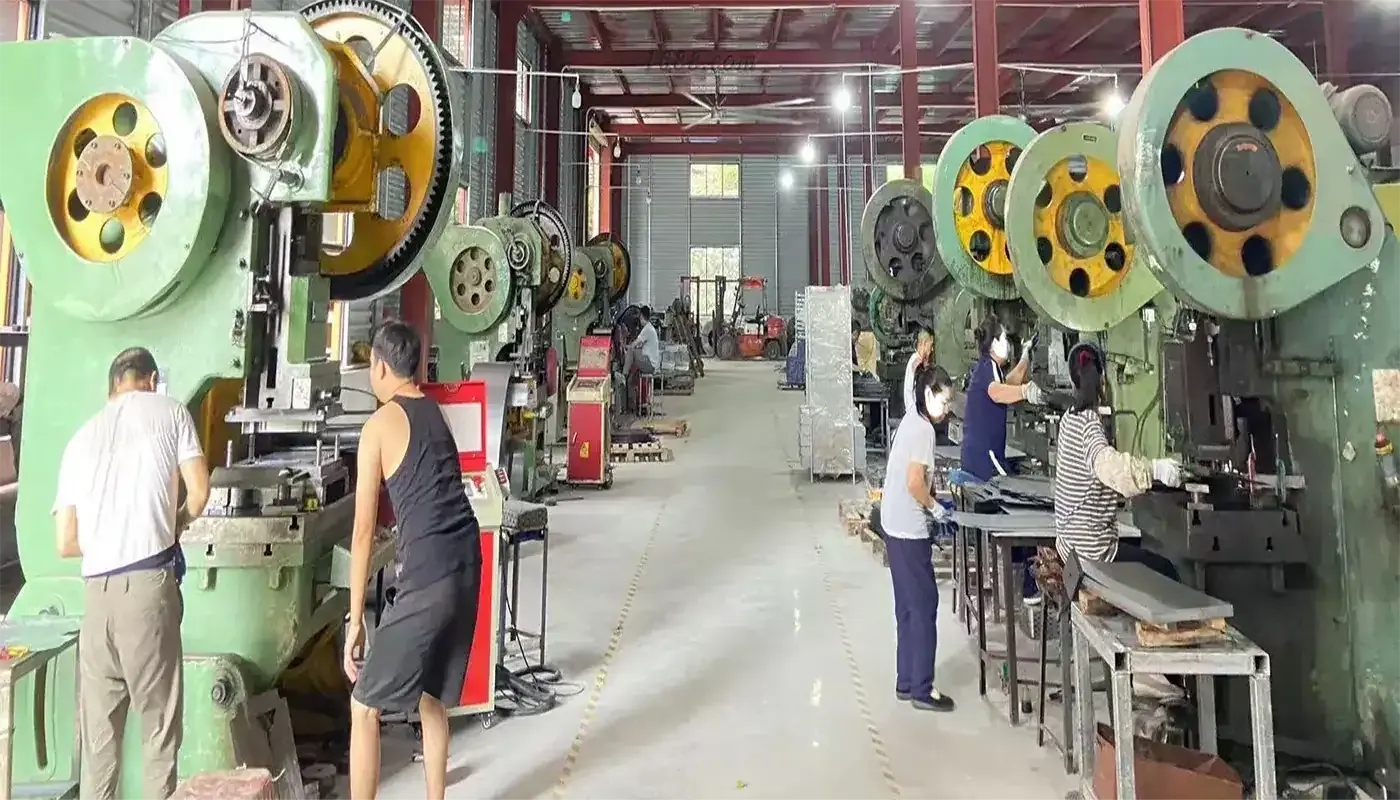
Manufacturing requires heavy investment in equipment, labor and technical development, so most factories only focus on one single product category.If you plan to purchase a full set of matching goods, one factory alone can rarely cover your entire order list. You will have to spend extra time and energy finding multiple separate manufacturers to complete your procurement. This is where professional trading companies stand out: their core competency lies in supply chain integration.
2. Factory Prices Are Not Always the Lowest
Competitive pricing has nothing to do with whether a supplier owns a production workshop. The final cost is determined by raw material procurement cost, production efficiency, internal management, inventory turnover and supply chain bargaining power. Some factories, even with self-production capacity, fail to offer favorable prices due to small order batches and poor cost control. On the contrary, top trading companies maintain extensive supplier networks and place consolidated bulk orders, allowing us to negotiate far more cost-effective unit prices for our clients.
3. Service Awareness: A Huge Gap Between Factories and Trading Partners
Factory owners spend nearly all their energy on daily production management: equipment maintenance, raw material stock, worker scheduling, delivery deadlines and quality inspection. All these production matters are undoubtedly vital. But as an overseas buyer, you need more than just a manufacturer that produces goods — you want a reliable partner providing complete sourcing solutions. You may need professional product recommendations, instant message replies, quick handling of all unexpected emergencies, and a team that thinks fully from your business perspective. This customer-centric service is the core competitiveness of trading companies. We are built to focus entirely on buyers’ demands rather than production operations.
Final Thoughts
A trustworthy supplier does not have to own a production line. A professional trading company is far more than a middleman earning simple profit margins. We help you source the most suitable products, build stable long-term supply chains, and tackle every problem emerging during the whole cooperation process. In today’s global supply chain competition, suppliers no longer compete on isolated single resources. Factories excel at mass production, while trading companies excel at resource integration and all-round buyer service. At the end of the day, what you truly need is not a supplier labeled “factory”, but a dependable partner who can resolve your sourcing troubles and create real profits for your business.