Buying Guides
Case Study: Target Price, Material Trade-offs and DDP Delivery
An e-commerce seller in Spain needed butter rollers below the SS304 quote and wanted no customs hassle. How material choice and DDP sea freight solved both — a real order from our book.
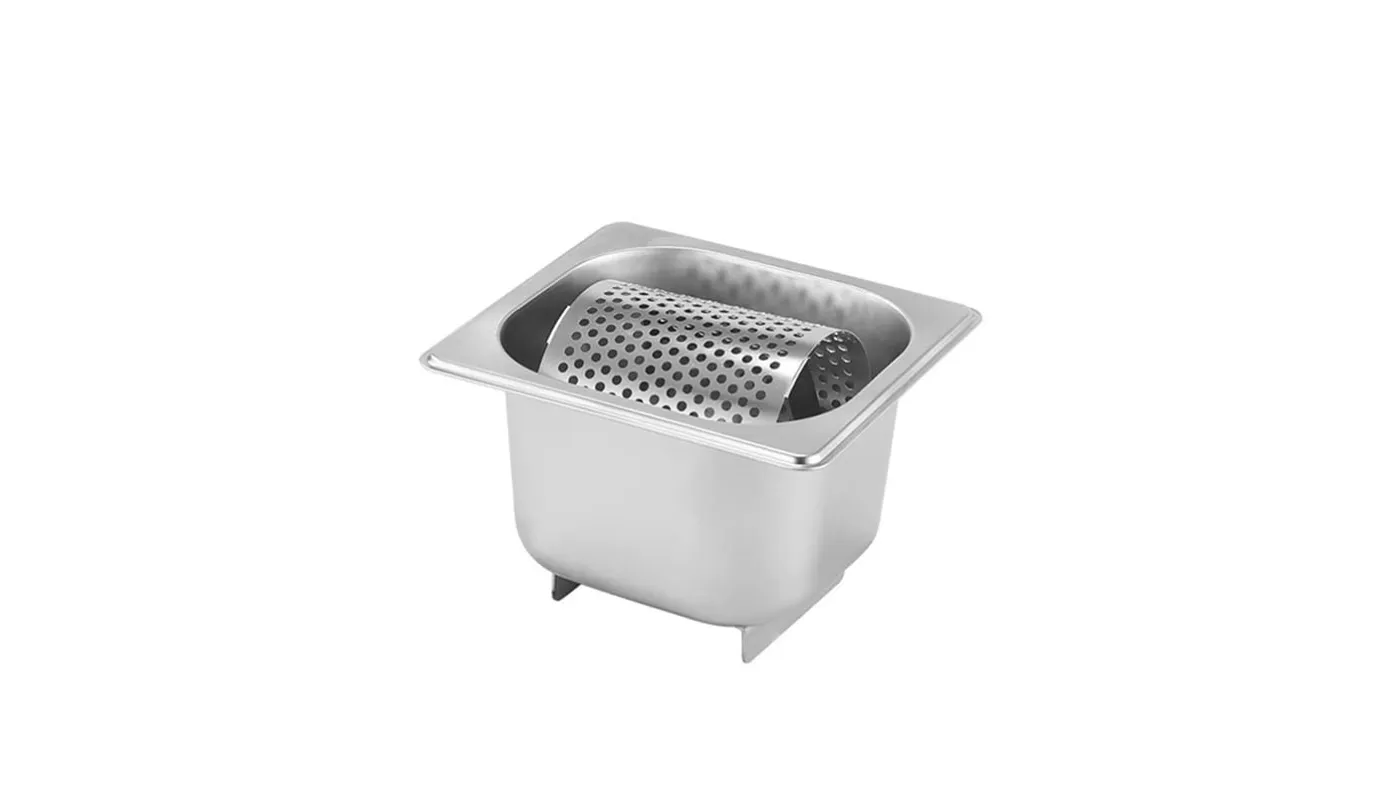
Case Study: Butter Rollers on a Budget — Matching Material to Target Price and Shipping DDP to Door
Not every sourcing problem is about finding a product. More often it is about fitting a real product into two hard constraints at once: a retail price target, and a buyer who has no intention of becoming a freight forwarder. A recent butter roller program shows how we handled both in a single order.
The brief
An e-commerce seller in Spain sourcing butter rollers came to us with a clear target price. Our first quotation used SS304 — the default stainless grade for our butter roller range — and came in above it.
Constraint 1: the price target
Rather than simply shave margin, we went back with a material alternative: SS201. The trade-off is straightforward — SS201 contains less nickel than SS304, which lowers cost but also lowers corrosion resistance. For a wipe-clean product like a butter roller, that is often an acceptable trade; for items that face salt, dishwashers or acidic foods, we would advise staying with SS304 or SS430.
We quoted SS201 at the buyer's required quantity of 300 units. With a trial order this size, the buyer opted not to order physical samples; we sent real product photos of the items instead, and the order moved ahead at the target price.
Constraint 2: "Don't make me clear customs"
The buyer did not want to act as importer of record or handle destination-country clearance at all — a common constraint for e-commerce sellers running small trial orders. So instead of a port-to-port quote, we quoted DDP by sea: goods delivered duty-paid to the buyer's door. Sea transit is slower than air freight, but for heavy metalware the freight cost per unit is far lower — and the buyer accepted the longer lead time in exchange for a delivered price with no customs surprises.
Where the order stands
The first 300-unit order is already on the water to Spain under DDP sea terms. We will update this article once the goods are delivered and the buyer has the range live.
What this case actually teaches buyers
- Give your target price early. A capable factory does not just discount — it re-engineers the spec. Material grade is the single biggest cost lever in metal houseware, and there is usually more than one honest answer.
- Tell the supplier how you want to buy. EXW, FOB and DDP produce very different "real" costs. If you do not want to deal with customs, say so upfront — DDP exists for exactly this situation.
- Match material to use case, not to habit. SS304 is the safe default, not always the necessary one. Tell your supplier what the product will actually face in the kitchen, and confirm what you are buying before production — samples where the budget allows, real product photos at minimum on small trial orders.
Need the same flexibility?
If you are sourcing butter rollers or other stainless kitchenware against a target price, send us the item and your number. We will come back with material options at different price points and a landed-cost quote — FOB, EXW or DDP to your door.