Home Baking Is Booming: 5 Baking Tools Wholesale Buyers Should Stock in 2027
Home baking keeps growing, and buyers want tools that last. Here are five baking tools importers and retailers should build into their 2027 sourcing plans.
Home Baking Is Booming: 5 Baking Tools Wholesale Buyers Should Stock in 2027
Home baking started as a hobby and stayed as a habit. Bread, cakes, and cookies are now baked at home all year round, not just at holidays, and the tools sell with them. For importers, retailers, and e-commerce sellers, baking tools are a steady category: small in size, easy to ship, and bought in sets rather than one piece at a time.
The opportunity is in tools that last. Home bakers replace a flimsy whisk or a rusting tray once, and then they buy the better version. The products that win repeat orders are the ones made from food-safe materials, built to survive daily use, and easy to clean. Here are five baking tools worth building into your 2027 sourcing plan.
1. Flour sifters and measuring tools: accuracy sells
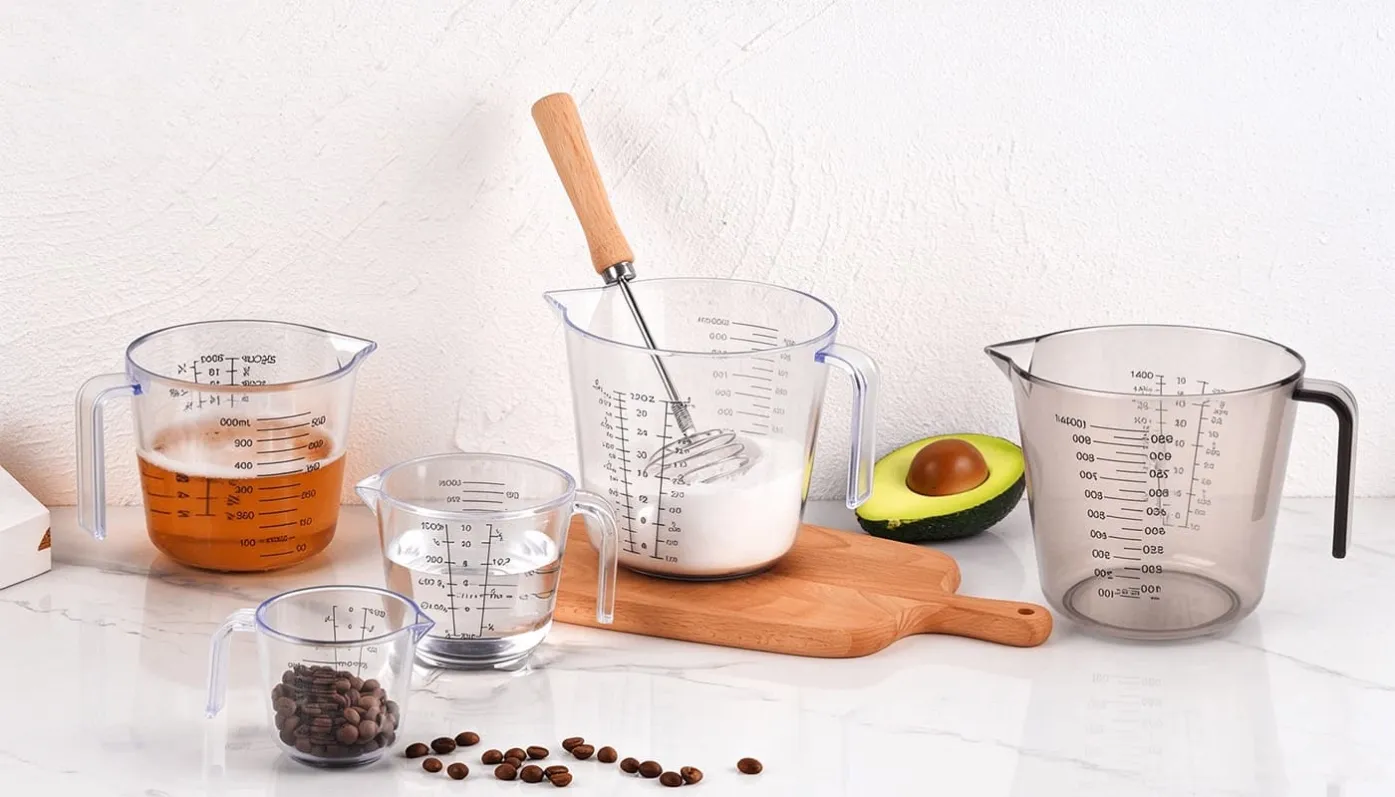
Baking is the one kind of cooking where measuring matters. A flour sifter that breaks up lumps and aerates flour gives a lighter crumb, and a buyer can taste the difference. Measuring cups and scoops sell alongside them, because a baker who buys a sifter usually buys the measuring set too.
When sourcing, look for fine, even mesh on sifters and clear, readable markings on measuring tools. Stainless steel is the practical choice: it does not absorb odours, it does not stain, and it survives the dishwasher. Check that the mesh is firmly fixed and the handle is comfortable to hold with one hand, since sifting is a one-handed job.
2. Rolling pins and pastry tools: built to last
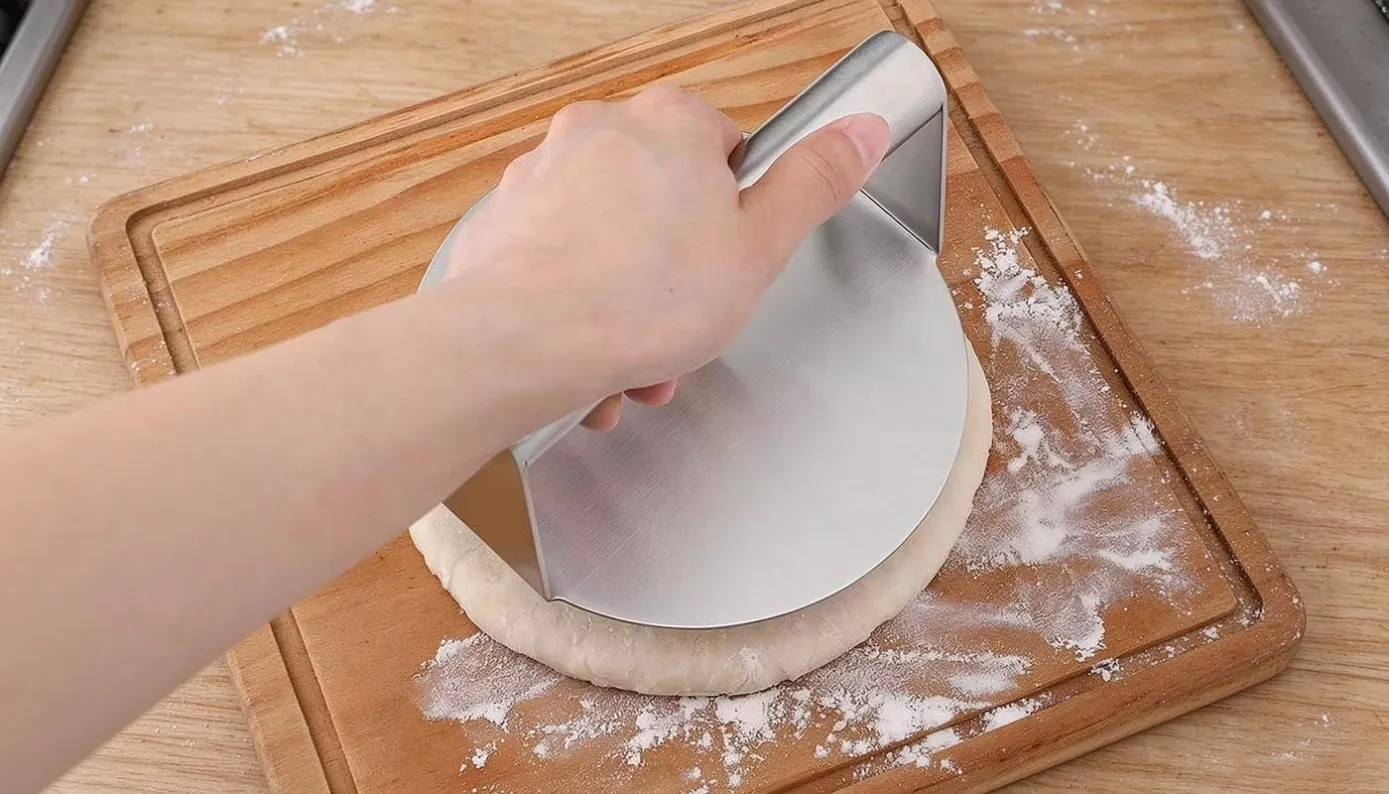
A rolling pin is bought once and used for years, which makes it a good test of quality. Stainless steel rolling pins are gaining ground over wood because they stay cool, do not absorb moisture, and clean with a wipe. Pastry cutters, scrapers, and dough cutters follow the same logic: simple shapes, solid materials, no parts that come loose.
When sourcing, check the weight and balance. A pin that is too light does not roll dough evenly; one that is too heavy tires the wrist. Look for smooth, sealed surfaces with no gaps where dough can collect, and ask whether the product is dishwasher safe. A pastry tool that cannot go in the dishwasher will be the first thing a buyer complains about.
3. Baking trays and molds: heavy gauge wins
Baking trays and molds are where cheap products fail first. Thin trays warp in a hot oven, and a warped tray bakes unevenly. Heavy-gauge steel holds its shape, spreads heat evenly, and lasts through hundreds of bakes.
When sourcing, ask about the steel thickness and the coating. Uncoated stainless steel trays are the durable, low-maintenance option. Coated trays need a coating that can survive repeated heating without peeling, so ask for the coating specification and whether the supplier has test data for it. Offer a small range of sizes rather than one size: home bakers buy a set, and a set ships better than a single large tray.
4. Whisks, spatulas, and mixing tools: the everyday sellers
Whisks, spatulas, and mixing spoons are the highest-frequency baking tools in a kitchen, which makes them the highest-volume sellers. They are also the tools where quality is most obvious: a whisk with loose wires, a spatula that melts at the edge, or a spoon that stains will be returned.
Stainless steel is the safe material here. It resists heat, does not stain, and handles acidic ingredients such as lemon juice and vinegar without reacting. Check that whisk wires are firmly fixed, spatula heads are heat resistant, and handles are comfortable to grip when wet. These are small details, but they are the details buyers mention in reviews.
5. Cookie cutters and decorating tools: small, seasonal, profitable
Cookie cutters and decorating tools are the seasonal engine of the baking category. They spike at holidays, sell in sets, and make good gift items. Because they are small and light, they are cheap to ship and easy to add to an existing order.
When sourcing, look for cutters with clean, sharp edges that cut dough without tearing, and for decorating tips made from stainless steel rather than plastic. Offer themed sets — holidays, animals, letters — and keep the MOQ per design low, so a buyer can test several themes without over-ordering. A cutter set that sells out at Christmas is a buyer who comes back in January for the next theme.
How to build a baking range without over-ordering
You do not need to stock every baking tool at once. Start with the bestsellers — sifters, measuring tools, whisks, and one tray size — and add the rest in a second order once you see what sells. Mix several products into one container to spread the freight cost, and use small trial orders to test new themes before committing to volume. Baking tools are small and light, which makes them ideal for mixed-container orders.
Conclusion
Home baking is not a passing trend. It is a durable habit, and the tools that serve it are durable products. The buyers who win this category are the ones who stock tools made from food-safe materials, built to survive daily use, and easy to clean — and who refresh the range with seasonal sets that give customers a reason to come back.
Ready to build a baking tools range? Contact LK Household today to get product options with certified materials, test reports, and a tailored quote for your market.