Sep 23, 2026Buying Guides
How New Kitchenware Importers Can Manage Order Risk With Flexible MOQ
New kitchenware importers often struggle with strict factory MOQ, facing high inventory and cash flow risks. This guide help new buyers test markets safely, cut sourcing risks, build a stable business
How New Kitchenware Importers Can Manage Order Risk With Flexible MOQ
Entering the kitchenware import business is exciting, but most new importers face one common, stressful roadblock: strict high Minimum Order Quantities (MOQs) from traditional manufacturers. Many stainless steel kitchenware, barware, and coffee tool factories require large per-SKU orders, forcing new buyers to overstock inventory, tie up cash flow, and take huge untested market risks.For new wholesalers, Amazon sellers, and startup kitchen brands targeting the North American, Australian, and Middle Eastern markets, rigid MOQs are the biggest barrier to sustainable growth. The good news? Smart sourcing with flexible MOQ strategies can eliminate most startup risks, validate your market demand, and help you scale steadily without unnecessary losses.
Why Traditional Kitchenware Factories Have Strict High MOQs
To better avoid sourcing traps, new importers first need to understand why most factories set high MOQs. It is not a random rule, but a core production and cost control logic:
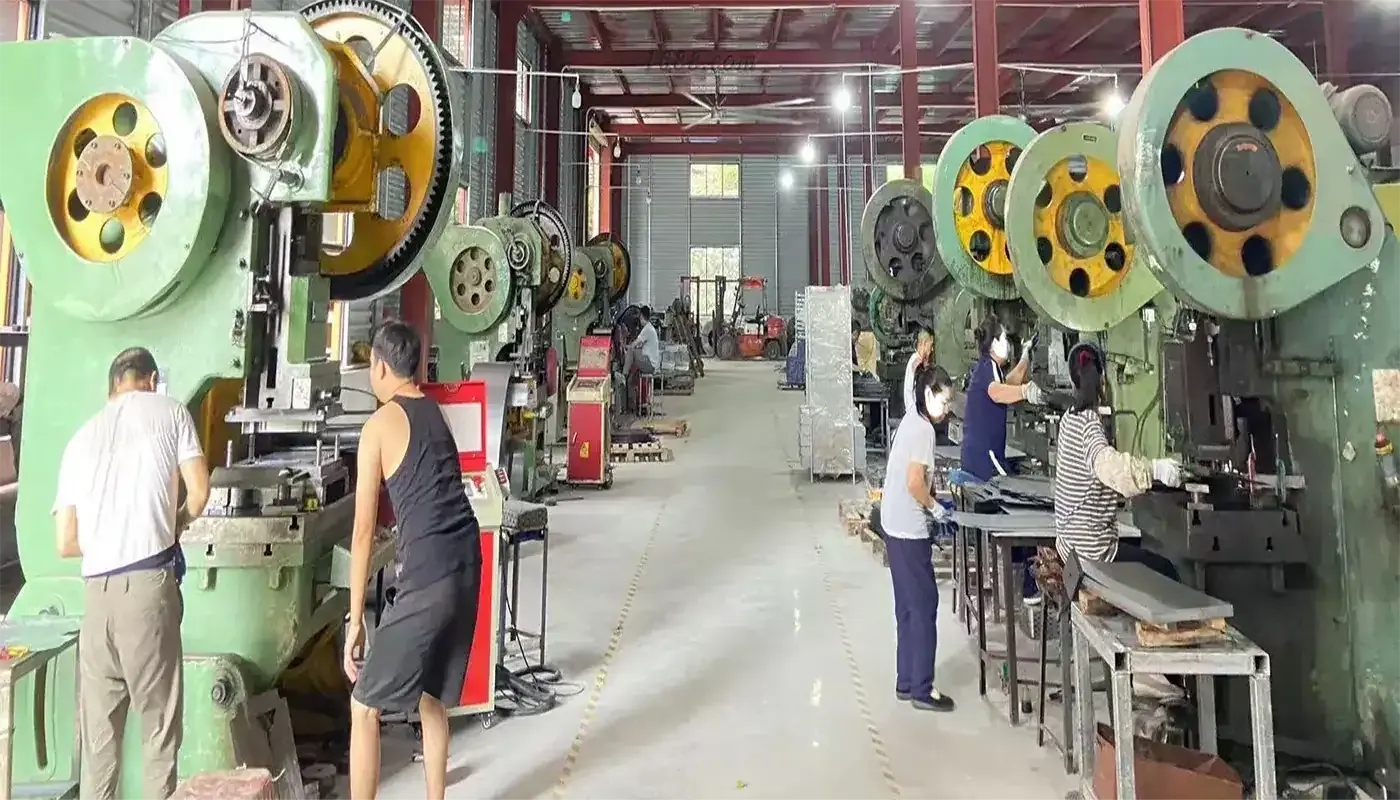
- Fixed production costs: Mass production reduces unit costs for material cutting, machine debugging, and labor arrangement. Small-batch production raises average manufacturing costs for factories.
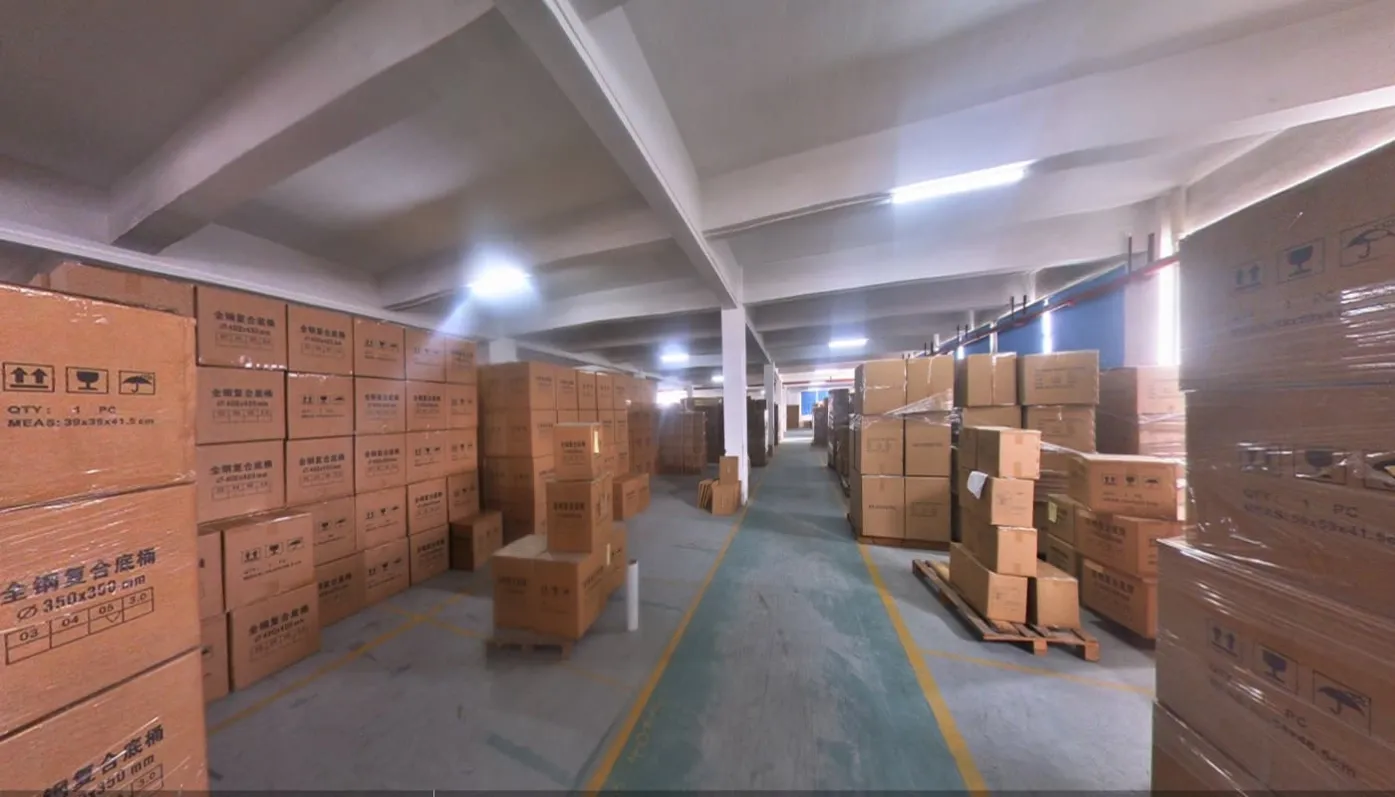
- Inventory and packaging costs: Standard cartons, custom inner trays, and accessory matching are only cost-effective for large-quantity orders.
- Order priority rules: Most manufacturers prioritize full-container bulk orders, leaving small trial orders with longer lead times or rejected requests.
While this model works well for large established importers, it puts new market entrants in a dilemma: either place a risky large order or abandon high-quality factory-direct sourcing.
3 Major Order Risks New Kitchenware Importers Face With Rigid MOQs
Overcommitting to high-MOQ orders is the top reason new kitchenware importers fail in their first year. Three core risks affect almost every startup buyer:
1. Severe Cash Flow Pressure
Kitchenware covers diverse categories, including stainless steel utensils, coffee accessories, bar tools, and baking supplies. If you have to purchase hundreds of units for every single SKU, your initial investment surges rapidly. Tied-up capital leaves no room for market adjustment, new product trials, or emergency operational costs.
2. Untested Market Inventory Risk
No one can guarantee a new kitchenware product will sell well in local retail or online markets. High MOQ forces you to stock massive inventory of untested items. Slow sales lead to overstock, warehousing fee accumulation, and eventual profit loss or clearance sales at a discount.
3. Single-SKU Sourcing Limitation
Most high-MOQ factories do not support mixed-item orders. New importers have to source different kitchenware categories from multiple suppliers, which multiplies communication costs, shipping fees, and quality control risks.
3 Practical Flexible MOQ Strategies to Reduce Sourcing Risks (For New Importers)
Professional B2B kitchenware importers rarely follow rigid factory MOQ rules blindly. These three proven strategies help new buyers test markets safely and scale gradually:
1. Start With Verified Sample Orders
Never place bulk orders before validating product quality, workmanship, and market suitability. A full sample set allows you to check material durability, surface finishing, packaging quality, and product compatibility with your local market preferences. Sample orders eliminate the biggest risk of bulk sourcing: receiving defective or non-compliant goods after full payment. It also helps you build trust with suppliers before long-term cooperation.
2. Mixed-SKU Consolidated Shipment (Best for New Buyers)
The most efficient flexible MOQ solution for kitchenware importers is multi-category mixed container loading. Instead of ordering 500+ units of a single utensil or coffee tool, you can combine small batches of different hot-selling SKUs — kitchen utensils, bar sets, coffee accessories, baking tools, and storage gadgets — into one consolidated shipment.This method perfectly solves the problem of high single-SKU MOQ. You can diversify your product portfolio, test multiple market trends at low cost, avoid overstocking single items, and maximize container space utilization to cut unit sea freight costs.
3. Phased Order Scaling
Adopt a "small trial order → medium restock → large bulk order" scaling roadmap. Use small-batch trial orders to collect local market sales feedback, identify top-performing products, and adjust your product lineup. After verifying stable sales, gradually increase order quantities to obtain better bulk pricing.This phased model keeps your business flexible, avoids blind investment, and builds long-term cooperative leverage with suppliers for better MOQ and pricing terms in the future.
Hidden Traps of Blindly Chasing Ultra-Low MOQ
While flexible MOQs reduce risks, new importers should also avoid extreme low-MOQ traps. Some suppliers offer extremely low order quantities but compromise on material quality, polishing workmanship, or packaging protection. For stainless steel kitchenware, inferior raw materials will cause rusting, deformation, or customer complaints after sales, ruining your brand reputation in North American, European, Middle Eastern and other markets.The ideal solution is balanced flexible MOQs with stable quality assurance, not blindly minimum quantities.
How LK Household Supports New Importers’ Flexible MOQ Sourcing
As a professional one-stop stainless steel kitchenware, barware, and coffee tool supplier, LK Household specializes in supporting new global importers with low-risk, flexible sourcing solutions, fully tailored for startup buyers:
- Custom flexible MOQ: No rigid high per-SKU order limits, supporting small-batch trial orders for new market validation.
- Mixed-category container loading: Free combination of all in-stock kitchenware, coffee, bar, and baking products to enrich your product range and reduce overall costs.
- Complete quality verification: Provide material certification and pre-shipment inspection to avoid defective goods and after-sales risks.
- Phased order support: Assist buyers in completing market testing, small-batch restocking, and large-batch scaling with stable lead times and consistent quality.
- Market-adaptable packaging: Standard export packaging suitable for import standards.
Final Thoughts
Successful kitchenware importing does not rely on large one-time bulk orders, but on controllable risks, verified quality, and flexible supply chains. For new importers, flexible MOQ sourcing is the safest and most efficient way to enter the global kitchenware market, avoid inventory waste, and build a sustainable profitable business.Ready to start your low-risk kitchenware import business? Contact LK Household today to get your customized flexible MOQ solution, latest product catalog, and sample order support for your markets.